

Don’t Take Me to the Circus
Why ‘just put yourself out there’ is lazy advice

A long time ago, my brother took me to the circus for my birthday. (For context —because it will matter later in the story—we were both adults at the time.) We had great seats, right at the front.
Now, I love bits of a circus. The acrobats are amazing. Clowns, however, are creepy. There are no two ways about it.
But what really scares me—what truly frightens the living daylights out of me in performances like this—is the possibility of audience participation.
I HATE audience participation. Pantomimes are a no-no. I burst into tears after being made to stand up on a chair and having everyone sing happy birthday to me at our local village panto when I was 9.
So the circus—and particularly the seats—made me wary.
And lo and behold, when the clown came on, he started to look for someone. The spotlight started flailing. The clown scans the audience left, right, and centre.
The spotlight lands... on me.
This might be the end of my trauma, but no—the story is about to get worse.
I get dragged up on stage—because I can’t say no?!—and made to sit next to the clown in a mock date. At this point I think the clown is starting to realise he picked wrong, as I am not the most chatty or gregarious guest.
So he changes tack and decides I need a different date. At this point you can probably guess what is about to happen. He goes back into the crowd and selects... my brother. (Serves him right for being so gleeful when I was picked.)
So now my brother and I are sat on a bench on stage at the circus, being set up to date each other.
The levels of cringe—I thought—could get no worse, until the clown starts badgering my brother to kiss me. At this point, we finally decide enough is enough and bolt for the safety of the seats.
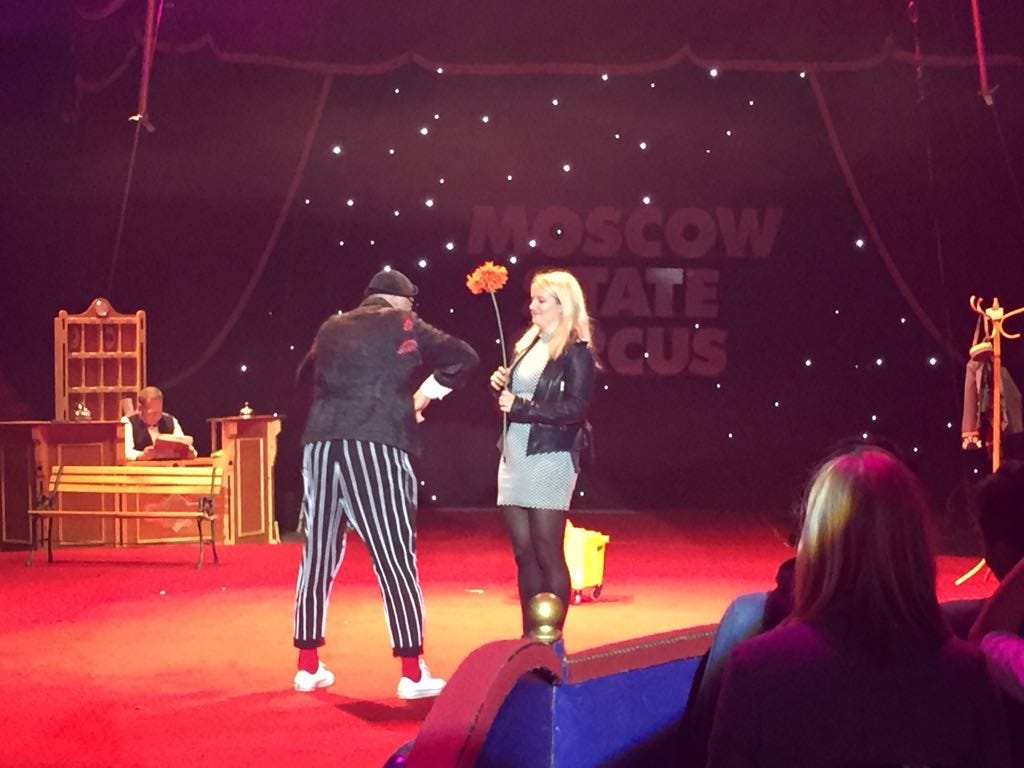
Photo taken by my brother - before he got pulled into the act.
You might assume wrong
You might assume from this that I’m a shy, wallflower type who doesn’t like being on stage.
That’s actually not true. I really like stages.
At school I was the lead in several plays. I have no problem standing up and giving a presentation. I would love the opportunity to do some public speaking. (Actually, I had an opportunity last year that I passed on—but for another very good reason.)
So what is this all about?
The problem isn’t the stage
What I hate isn’t visibility.
It’s being made part of someone else’s performance.
There’s a massive difference between choosing to step onto a stage and being dragged onto one mid-act. Between performing on your terms and being used as a prop in someone else’s show.
And that distinction—between chosen visibility and forced participation—is the part of the personal branding conversation no one talks about.
Last week I said you can’t opt out
Last week I wrote about why silence isn’t humility. About how your personal brand is being built whether you’re involved or not. About how staying invisible means letting other people define you based on incomplete information.
That’s still true.
But this is the other side of that coin.
Not all visibility is the same.
The problem isn’t being seen. It’s being pulled into someone else’s narrative without consent, context, or control.
Where this shows up at work
This isn’t just about circus clowns.
It’s about:
Meetings where people are suddenly “spotlit” to share insights they didn’t prepare
Being encouraged to “share your story” without psychological safety or genuine support
Performative vulnerability as a trend, not a choice
“Just put yourself out there” advice that ignores whether you’ve chosen the terms
Content trends that reward exposure, not substance
Being “voluntold” for panels, initiatives, or DEI efforts because of your identity, not your expertise
Visibility used as representation without your permission
It’s the difference between building your brand deliberately and being co-opted into someone else’s narrative.

You aren’t hiding
Here’s what needs clarifying:
Quiet expertise isn’t about avoiding visibility. It’s about choosing when, how, and why you’re visible.
It’s stepping onto stages you’ve chosen. Not being dragged onto ones you haven’t.
It’s visibility with agency. Not visibility as someone else’s prop.
You can want to be seen AND refuse to be used. These aren’t contradictory. They’re boundaries.
The rules for visibility on your terms
So how do you build visibility without getting dragged into someone else’s circus?
1. Choose your stages deliberately.
Not every opportunity is an opportunity. Some are just spotlights pointed at you for someone else’s benefit.
Before you say yes, ask: Who does this serve? Is it my narrative or someone else’s? Do I have control over how I’m presented?
2. Set the context before you’re visible.
When you share something—a win, a lesson, a story—frame it on your terms first. Don’t wait for someone else to frame it for you.
This is the difference between “I built this feature that generated £12M” and someone else saying “Sarah’s been working on something interesting” while you sit there unprepared.
3. Say no to participation you didn’t choose.
You’re allowed to decline the spotlight. You’re allowed to say “I’m not comfortable with that.” You’re allowed to refuse to be someone’s example, their diversity win, their “authentic moment.”
Boundaries around visibility aren’t hiding. They’re self-preservation.
4. Build your narrative proactively so you’re not reactive.
When you’ve already established what you’re about—your expertise, your values, your work—it is harder for someone else to co-opt you into their story.
This is why last week’s article matters. The more you define yourself, the less others can define you.
5. Distinguish between helpful visibility and performative visibility.
Ask yourself: Does this visibility add value? Does it demonstrate competence? Does it advance my actual goals?
Or is it just noise? Someone else’s content strategy? A trend I’m participating in because everyone else is?
Helpful visibility builds credibility. Performative visibility just makes you exhausted.
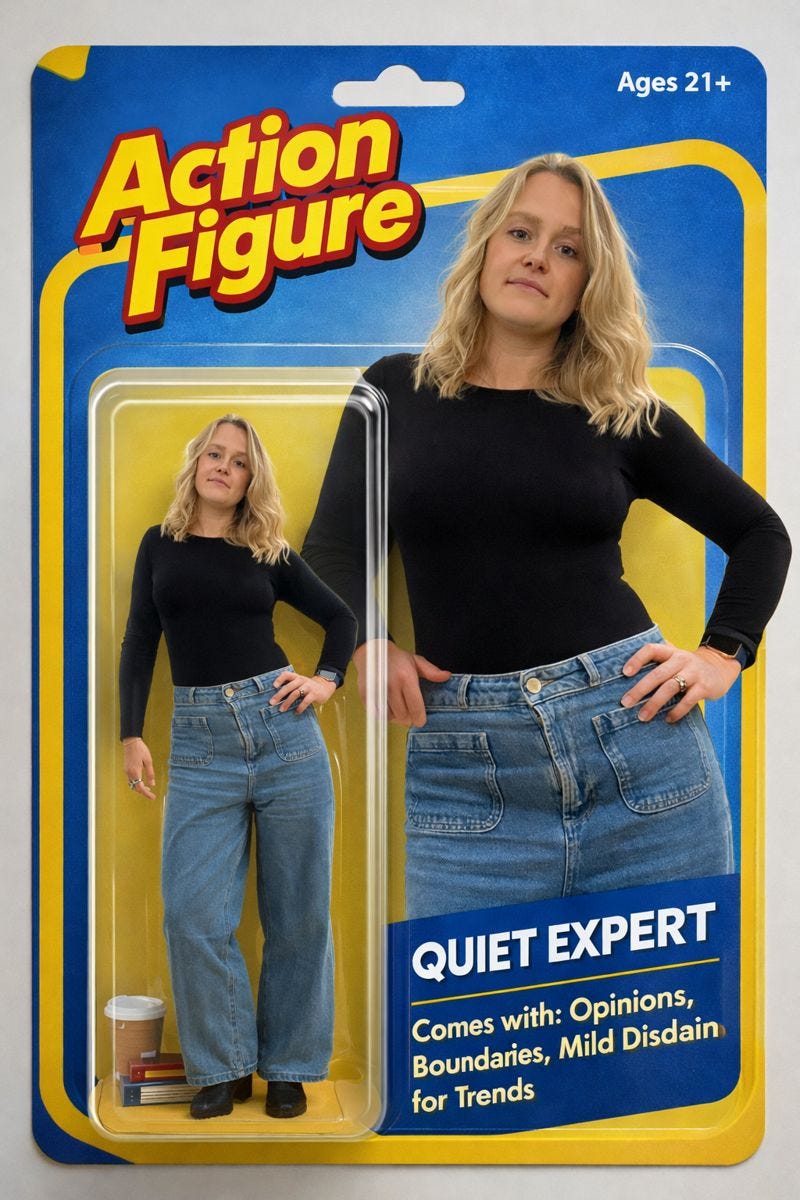
Remember this fun trend?!?!
The goal isn’t to avoid the stage
It’s to step onto it deliberately.
You don’t need less visibility. You need visibility on your terms.
You don’t need to hide. You need to choose when, where, and how you’re seen.
And you absolutely don’t need to participate in every circus that comes to town just because someone pointed a spotlight at you.
Last week I said your brand is being built whether you’re involved or not. That’s true.
But involvement doesn’t mean saying yes to everything. It means being intentional about what you say yes to.
It means recognising that visibility without agency isn’t empowerment. It’s exposure.
And quiet expertise—real quiet expertise—is knowing the difference.
The Bottom Line
I like stages. I just refuse to be dragged onto them.
I value visibility. I just won’t participate in someone else’s performance at my own expense.
And if that means saying no to opportunities that don’t serve me, declining spotlights I didn’t ask for, and building my brand slowly and deliberately on my own terms—good.
Because the alternative isn’t humility or modesty.
It’s letting someone else write your story while you sit there, unprepared, wishing you’d said no.
Don’t take me to the circus.
But invite me to the stage I’ve chosen, and I’ll show up prepared.